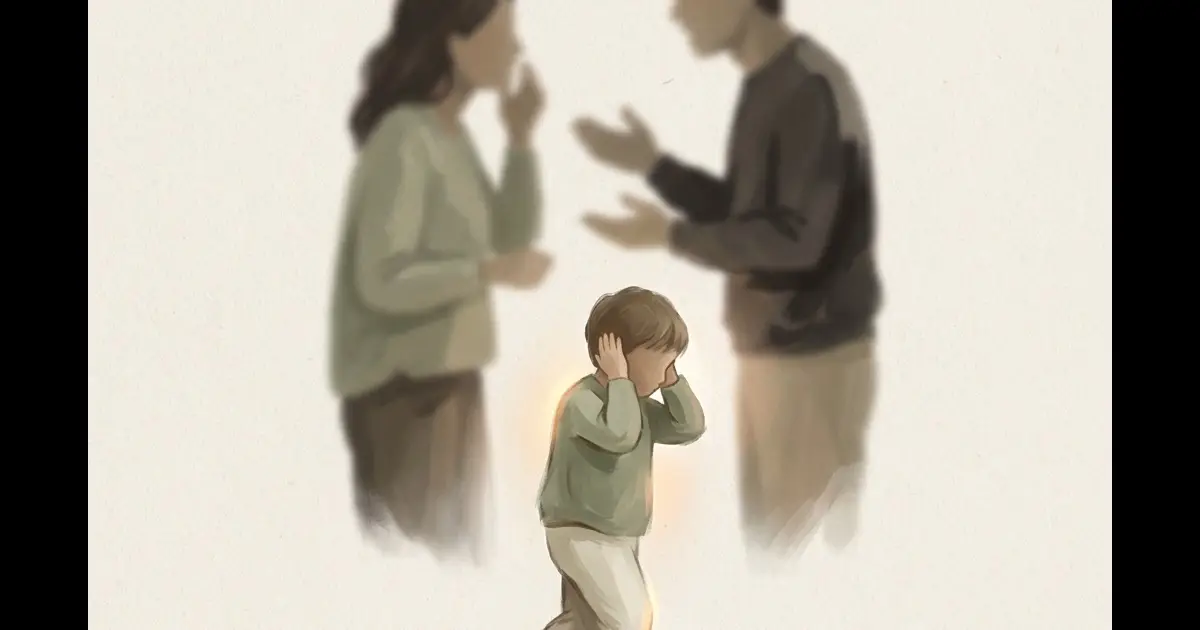
Every relationship, no matter how healthy or loving, can bring up emotional reactions that feel much bigger than the moment itself. Have you ever felt unheard by a partner and suddenly become overwhelmed by sadness or anger? Those intense emotions often have little to do with the current situation—and everything to do with the past. Understanding that many of our relationship triggers stem from our inner child allows us to respond more consciously rather than react impulsively. If this resonates, these inner child healing exercises are a practical next step, and you may recognise yourself in the patterns of anxious attachment.
Understanding the Link Between Triggers and Childhood
When we talk about being “triggered,” we’re referring to moments when a present experience evokes a strong emotional response, often rooted in earlier life experiences. These triggers tend to arise in intimate relationships because being close to someone naturally brings up old attachment patterns. The vulnerability that love invites can stir feelings of fear, rejection, or abandonment that trace back to childhood experiences of being misunderstood or emotionally neglected.
Children rely entirely on caregivers for safety and emotional regulation. When those early needs go unmet—whether through inconsistency, criticism, or absence—the nervous system learns to anticipate rejection or conflict. As adults, similar patterns may surface subconsciously when a partner withdraws or disagrees. The body reacts as if the old wound has reopened, even when the current situation is far different. Recognizing this connection is the first step toward healing.
Understanding triggers isn’t about assigning blame to our parents or partners but about gaining insight into why certain moments feel so charged. With this awareness, we can begin to observe rather than be consumed by our reactions, creating room for gentler self-understanding and communication. Our relationships then become mirrors, reflecting parts of us that are still seeking comfort and attention.
How Early Emotional Wounds Shape Adult Reactions
Emotional wounds from childhood operate quietly beneath the surface of our adult relationships. A child who grew up feeling invisible might overreact to a partner’s distraction, equating it with rejection. Someone who learned that love comes with conditions may struggle with trust or constantly seek reassurance. These old emotional imprints shape our nervous system responses—fight, flight, freeze, or fawn—before we even realize what’s happening.
Without recognizing these underlying patterns, we risk repeating painful cycles, projecting our unmet childhood needs onto current relationships. A partner’s simple request can suddenly feel like control; a moment of disagreement might echo the helplessness of childhood conflict. By noticing these emotional echoes, we can start to separate the past from the present. The goal isn’t to suppress our emotions but to understand their origins.
If you’d like to explore this awareness more deeply, there’s a free personalized inner child meditation created specifically for your emotional situation available at myinnercenter.com. Many find that such guided reflections help them connect compassionately with their younger self and calm emotional intensity during challenging moments.
Recognizing the Inner Child Behind Your Responses
The “inner child” represents those younger parts of ourselves that still carry unmet needs, fears, and hopes. When we’re triggered, it’s often that inner child taking over—seeking the validation, safety, or love that felt scarce in the past. By learning to recognize when our inner child is active, we can respond with empathy instead of judgment. For example, you might pause and ask yourself, “What is this part of me afraid of right now?” or “What does this feeling remind me of?”
Developing awareness of the inner child helps shift our relationships from reactive to reflective. Instead of arguing or shutting down, we can acknowledge the tender feelings underneath and share them more honestly. This transparency fosters deeper intimacy, as partners start to understand each other’s emotional landscapes instead of getting caught in cycles of blame or defensiveness.
Practices such as mindfulness, journaling, and inner dialogue can help you stay connected to your inner child. Over time, you’ll begin to feel when old wounds are surfacing and choose nurturing responses rather than automatic defense. This is a practice of re-parenting—becoming the caring presence that your younger self once needed.
Healing Triggers Through Inner Child Awareness
Healing relationship triggers doesn’t mean you’ll never feel hurt or reactive again. It means that when those emotions arise, you’ll have the tools and compassion to navigate them wisely. Building a connection with your inner child helps you soothe fear, provide reassurance, and return to calm before responding. You begin to recognize that your partner isn’t the enemy—your triggers are signals pointing you toward deeper healing.
When both partners engage in this form of self-awareness, relationships transform. Conflicts become opportunities for growth rather than proof of incompatibility. Each trigger is no longer just a painful reaction but an invitation to meet a younger, wounded part of yourself with understanding. Over time, that compassion rebuilds emotional safety from the inside out.
If you resonate with this approach, you might find value in exploring a free personalized inner child meditation created for your unique emotional journey , which you can receive at myinnercenter.com. It’s a gentle way to begin reconnecting with your inner child and guiding it toward healing, comfort, and trust.
Our triggers are not flaws to be eliminated but messages to be understood. They reveal the places where the heart still longs for care and acknowledgment. By meeting those moments with curiosity and compassion, we nurture the inner child within us—and in doing so, we make space for healthier, more conscious, and truly connected relationships.