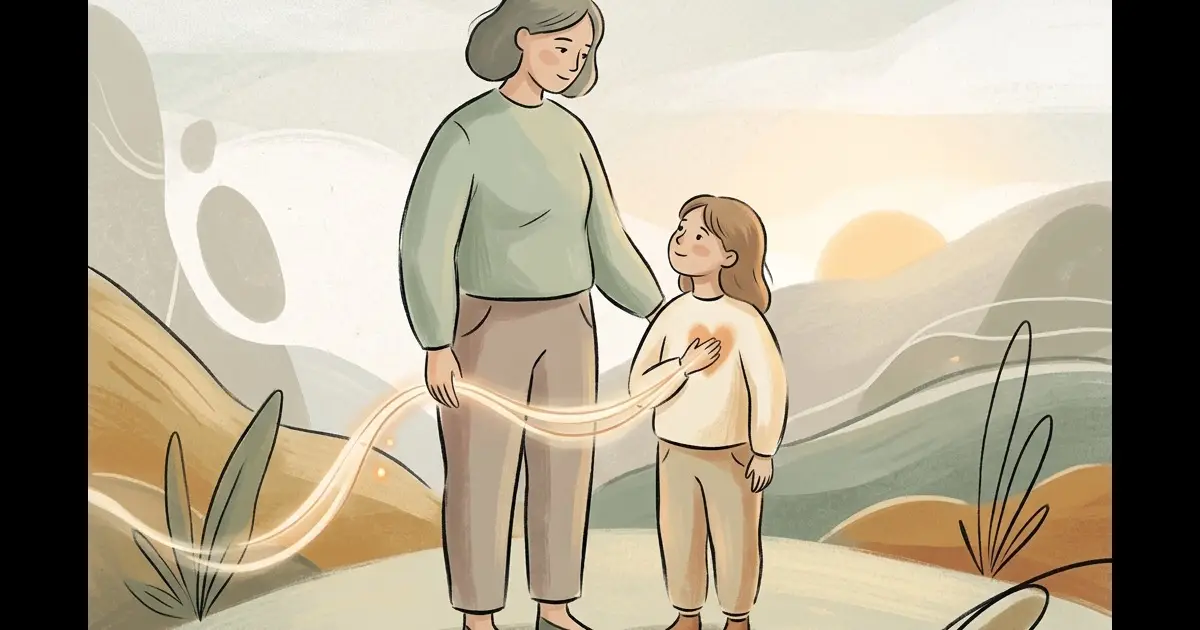
Healing the inner child behind anxious attachment is an act of courage, tenderness, and deep self-awareness. Many adults find themselves in relationships filled with overthinking, fear of rejection, and an overwhelming need for reassurance. These feelings, while painful, are often rooted in unhealed experiences from early childhood. By understanding how the inner child shapes adult attachment patterns, we can begin the transformative process of healing—learning to hold ourselves with the same safety and care we once sought from others. For practical starting points, explore these inner child healing exercises. You may also recognise the opposite pattern in avoidant attachment, or see how these wounds surface as relationship triggers.
Understanding the Roots of Anxious Attachment in Childhood
Anxious attachment often begins in the early bonds formed between a child and their caregivers. When a child experiences inconsistent emotional availability—sometimes being nurtured and other times ignored—they learn that love is unpredictable. This uncertainty wires the young brain for vigilance, making the child hyperaware of signs of approval or rejection. They internalize the message that affection must be earned and that security is fragile, setting the foundation for anxious attachment in later life.
Children are highly intuitive, but they lack the capacity to understand adult behavior in context. If a caregiver withdraws affection due to stress or external pressures, the child interprets this as personal inadequacy or unworthiness. Over time, they come to equate emotional connection with anxiety rather than comfort. This dynamic imprints a deep-seated fear that love may disappear at any moment unless they remain “good enough” or constantly attentive to others’ needs.
These early experiences discourage healthy self-regulation and emotional autonomy. The child learns to seek safety externally rather than internally, depending on others for reassurance and stability. Without intervention, this dependency carries into adulthood, where the inner child continues to seek the love and consistency it never fully received. Recognizing these humble beginnings is the first step in understanding the roots of anxious attachment and reclaiming emotional freedom.
Emotional Wounds That Fuel Fear of Abandonment
At the heart of anxious attachment lies a profound fear of abandonment. This fear often grows from emotional wounds such as neglect, unpredictable affection, and unspoken rejection. Even subtle emotional inconsistencies—a parent turning away when the child cries, minimizing their feelings, or withholding comfort—can communicate that love is conditional. The child begins to equate closeness with the risk of losing it and lives in a constant tension between needing others and fearing that need.
These emotional wounds are not always visible. Some children may appear confident or even overachieving, yet their efforts are driven by the hope that being perfect will guarantee love and connection. Over time, this invisible wound manifests as anxiety around relationships—worrying about partners leaving, overanalyzing messages, or feeling unsafe when intimacy deepens. The inner child, still longing for unconditional acceptance, tries desperately to control situations that mirror early abandonment.
This internal conflict drains emotional energy and fosters cycles of self-doubt. The adult who carries these wounds becomes caught between yearning for closeness and expecting rejection, leading to patterns that repeat across relationships. Healing begins when these fears are acknowledged not as weaknesses, but as echoes of past unmet needs. The goal is not to erase fear, but to comfort the inner child who still believes love must be earned.
How Early Attachment Patterns Shape Adult Love
Adults with anxious attachment often carry their childhood scripts into romantic relationships, replaying old emotional patterns without realizing it. They might become overly dependent on a partner’s reassurance, or feel unsettled when emotional closeness wavers, even slightly. Small shifts in tone or attention may feel catastrophic because they remind the subconscious of earlier inconsistency. The adult self knows it’s unreasonable, but the inner child still panics, fearing they will once again be left behind.
These patterns often manifest as overthinking, clinging, or emotional highs and lows in relationships. The person may confuse intensity with intimacy, equating passionate pursuit or constant contact with real connection. Because the inner child associates love with effort and anxiety, calm and stable relationships can feel unfamiliar or even boring. This misalignment between emotional memory and adult reality creates confusion and pain for both partners.
Understanding that these responses stem from unhealed childhood wounds—not character flaws—can be life-changing. Awareness makes room for compassion: instead of shaming oneself for being “too needy,” one can begin to see these reactions as survival strategies that once kept them safe. With gentle curiosity, the adult self can begin to separate old fears from present circumstances, slowly rewriting the story of what love feels like.
Reconnecting and Healing the Inner Child Within
Healing the inner child behind anxious attachment involves turning inward with empathy and patience. This process means acknowledging that the fearful, needy part within us is not broken—it’s simply a younger self that never felt fully seen or protected. Through practices such as journaling, mindfulness, and inner dialogue, we can create a space where that child feels safe to express pain and receive comfort. Visualization exercises where you “meet” your inner child and offer reassurance can be particularly healing, allowing self-trust to rebuild.
Self-soothing practices are essential in this journey. Learning to provide emotional regulation from within—through breathwork, grounding techniques, or gentle self-talk—helps reduce the dependency on external validation. As the inner child learns that safety and love can come from within, anxiety starts to loosen its hold. The adult self becomes a compassionate caregiver to the parts of the psyche that once felt powerless and afraid.
Over time, these practices foster a deeper sense of security and authenticity in relationships. Rather than reacting from fear, one learns to respond from self-awareness and emotional balance. The journey is not about perfection but transformation—about turning pain into wisdom and nurturing the inner child who once believed love was fleeting. Healing anxious attachment ultimately reconnects us with the truth that we are, and always have been, worthy of love and belonging.
Healing the inner child behind anxious attachment is not a linear path—it’s a compassionate unfolding. As we turn toward our own pain with understanding, the anxious energy that once drove our relationships begins to soften. By becoming the loving, stable presence our younger selves always needed, we rewire not only our attachments but our sense of self-worth. In nurturing the inner child, we reclaim emotional safety from the inside out, freeing ourselves to love and be loved with courage, balance, and genuine peace.
Guided Meditation for Anxious Attachment
Here is a guided meditation from our channel to help you soothe anxious attachment and build inner security:
Tired of feeling anxious in your relationships? Start soothing your inner child with a session tailored to your story: