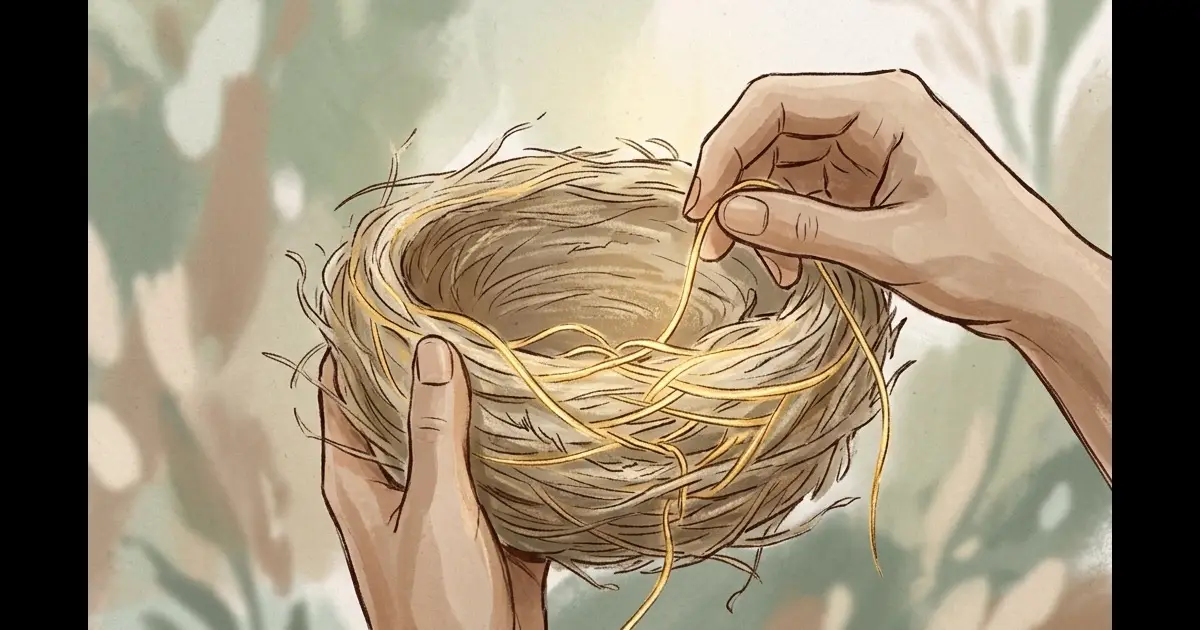
Healing attachment wounds is a deeply personal journey—one that often leads us back to the places within ourselves we’ve long forgotten or avoided. These wounds, rooted in early relationships, shape how we connect, trust, and love in adulthood. By turning inward and embracing the parts of ourselves that were hurt or neglected, we can begin to repair what was once broken. One of the most powerful pathways for doing this is inner child work—a compassionate process of nurturing the part of us that still longs to be seen, heard, and loved. A good place to begin is with these inner child healing exercises. These wounds usually take the shape of anxious or avoidant attachment.
Understanding Attachment Wounds and Their Impact
Attachment wounds form in early life when key emotional needs—like safety, consistency, or affection—are not adequately met by caregivers. These experiences shape our internal map of relationships, influencing how we perceive love, trust, and vulnerability. When connection feels inconsistent or unsafe, we develop protective behaviors to cope, which may later appear as fear of closeness, emotional avoidance, or codependent tendencies.
In adulthood, these patterns can surface subtly, disguised as difficulties in communication, fear of rejection, or the tendency to self-sabotage relationships. We may find ourselves stuck in repetitive cycles of longing and withdrawal, unsure why genuine intimacy feels either too overwhelming or never enough. These challenges are not signs of personal failure—they are echoes of unmet needs still seeking healing.
Recognizing attachment wounds is the first step toward integrating them. It involves acknowledging how our current behaviors once served to protect us, even if they now cause pain. Compassionate awareness sets the stage for transformation, opening the door to the deeper work of reparenting the inner child.
The Role of the Inner Child in Emotional Healing
The inner child represents the emotional, playful, and vulnerable part of us—the self that first learned what love, fear, and safety felt like. When this part carries unresolved pain, it continues to influence our emotional responses and relationships long into adulthood. Healing involves reconnecting with this inner presence and offering it what was once missing: empathy, acceptance, and gentle guidance.
When we work with the inner child, we invite suppressed feelings and needs into conscious awareness. This can be an emotional process, as it asks us to re-experience tenderness and sorrow we may have avoided for years. Yet it’s precisely through this reconnection that emotional release and integration occur; we no longer abandon ourselves when pain arises.
For those exploring this path, taking small, guided steps can help. Some find comfort in meditative exercises specifically tailored to their emotional history. For instance, readers can receive a free personalized inner child meditation created specifically for their emotional situation at this link: https://myinnercenter.com/home/free-personalized-inner-child-meditation/. It can serve as a gentle companion for reconnecting with your inner child in a safe, supported way.
Practical Ways to Reconnect with Your Inner Child
One effective approach to inner child work is journaling dialogues between your adult self and your younger self. This practice offers space for both voices to be heard—the nurturing adult who listens, and the inner child who expresses unmet needs or fears. Over time, this internal communication fosters trust and a sense of safety within.
Another helpful method is body-based awareness. Our bodies often carry the imprints of old emotional wounds. Practices like mindful breathing, gentle movement, or placing a hand over the heart while recalling childhood memories can ground the healing experience. These actions signal to the nervous system that it is safe to feel again.
Creativity also plays a powerful role in inner child healing. Engaging in play, art, or nature helps reawaken the joy, wonder, and spontaneity that might have been suppressed. By nurturing playfulness and authentic expression, we restore balance between vulnerability and resilience, allowing healing to unfold naturally.
Building Healthier Relationships Through Self-Repair
As we heal our attachment wounds through inner child work, our capacity to connect with others changes significantly. We begin to relate not from old fears or defenses, but from self-awareness and emotional maturity. Instead of seeking validation or fearing abandonment, we learn to give ourselves the love and reassurance we once craved. This self-repair becomes the foundation for secure attachment in adult relationships.
Healthy relationships require openness and interdependence—both of which flourish when we understand and attend to our inner experiences. By recognizing when our wounded child is activated, we can respond with compassion instead of projection. This self-attunement allows us to communicate needs more clearly, establish boundaries kindly, and engage more authentically with others.
If you wish to deepen your healing journey, you might explore receiving a free personalized inner child meditation created specifically for your emotional situation , available here: https://myinnercenter.com/home/free-personalized-inner-child-meditation/. It can gently support your ongoing process of self-discovery and emotional repair.
Healing attachment wounds through inner child work is not about erasing the past—it’s about rewriting our relationship with it. When we turn toward the parts of ourselves that once felt unseen, we cultivate the compassion and emotional safety we always needed. Over time, this practice transforms both our inner world and the way we engage with others, making space for relationships rooted in trust, respect, and genuine connection. Inner child healing reminds us that it’s never too late to become the safe, loving presence we once longed for.